
Post
Beach & Home Wear Trends That Combine Style and Practicality
Jun
Beach & Home Wear Trends That Combine Style and Practicality
Introduction
In recent years, the boundaries between indoor and outdoor living have become increasingly blurred. Modern consumers no longer view home wear as clothing reserved solely for relaxation indoors, nor do they see beachwear as something limited to vacations and seaside destinations. Instead, a new lifestyle-driven fashion movement has emerged—one that prioritizes versatility, comfort, functionality, and effortless style. This evolution has given rise to a growing demand for Beach & Home Wear that seamlessly transitions between various aspects of daily life.
Today’s consumers are looking for clothing and footwear that support a flexible lifestyle. Whether working remotely from home, enjoying a weekend getaway, taking a casual stroll, lounging by the pool, or running errands around town, people want apparel that feels comfortable while still looking polished and fashionable. As a result, designers and brands are increasingly focusing on creating collections that combine practicality with contemporary aesthetics.
The popularity of wellness-focused living, sustainable fashion, minimalist wardrobes, and comfort-first design has accelerated the transformation of beach and home wear. Lightweight fabrics, relaxed silhouettes, breathable materials, versatile footwear, and eco-friendly production methods are becoming standard features of modern collections. These trends reflect a broader shift toward intentional consumption and clothing that serves multiple purposes rather than a single occasion.
This comprehensive guide explores the most influential Beach & Home Wear trends that successfully combine style and practicality, helping consumers build wardrobes that support comfort, functionality, and effortless everyday living.

The Evolution of Beach & Home Wear
Historically, home wear and beachwear occupied distinct categories within fashion.
Home clothing emphasized comfort and privacy, while beachwear focused primarily on leisure and vacation activities.
Today, however, lifestyle changes have transformed both categories.
Key Drivers Behind the Shift
Remote and Hybrid Work
More people spend significant time at home.
Wellness-Oriented Living
Comfort has become a priority.
Casualization of Fashion
Relaxed dress codes are increasingly common.
Travel and Leisure Culture
Consumers seek versatile clothing options.
These factors have encouraged designers to rethink traditional wardrobe categories.
Why Comfort Is the New Luxury
Modern consumers increasingly associate luxury with comfort rather than extravagance.
Soft fabrics, breathable materials, and ergonomic designs have become highly desirable.
Benefits of Comfort-Focused Fashion
Improved Daily Experience
Enhance overall well-being.
Greater Wearability
Support longer periods of use.
Increased Versatility
Adapt to multiple activities.
Reduced Physical Discomfort
Promote relaxation.
Comfort has become one of the defining characteristics of contemporary fashion.
Trend #1: Elevated Loungewear
Loungewear has evolved dramatically in recent years.
What was once considered purely indoor attire is now a legitimate fashion category.
Characteristics of Modern Loungewear
Premium Fabrics
Enhance comfort and durability.
Tailored Fits
Create a more refined appearance.
Neutral Color Palettes
Support versatility.
Minimalist Design
Promote timeless appeal.
Consumers increasingly choose loungewear that feels luxurious while remaining practical.
Trend #2: Matching Sets for Effortless Style
Coordinated sets continue to dominate beach and home wear collections.
They provide a polished appearance with minimal effort.
Popular Combinations
Relaxed Shirts and Shorts
Ideal for warm weather.
Knit Tops and Lounge Pants
Perfect for indoor comfort.
Beach Cover-Ups and Matching Bottoms
Support vacation versatility.
Lightweight Two-Piece Sets
Offer convenience and style.
Matching sets simplify outfit planning while maintaining a cohesive aesthetic.
Trend #3: Breathable Natural Fabrics
Fabric selection plays a critical role in comfort and functionality.
Natural fibers remain among the most popular choices.
Preferred Materials
Linen
Lightweight and breathable.
Organic Cotton
Soft and versatile.
Bamboo Fabric
Eco-friendly and moisture-wicking.
Hemp
Durable and sustainable.
Natural materials enhance comfort while supporting environmental responsibility.
Trend #4: Relaxed Silhouettes
Modern fashion increasingly embraces freedom of movement.
Relaxed fits offer both comfort and contemporary appeal.
Benefits
Greater Mobility
Support active lifestyles.
Enhanced Comfort
Reduce restriction.
Versatile Styling
Adapt to different occasions.
Timeless Appeal
Remain fashionable across seasons.
Oversized shirts, loose trousers, and flowing dresses continue to gain popularity.
Trend #5: Multi-Functional Beach Cover-Ups
Beach cover-ups are no longer limited to shoreline use.
Today’s designs function as versatile wardrobe staples.
Popular Styles
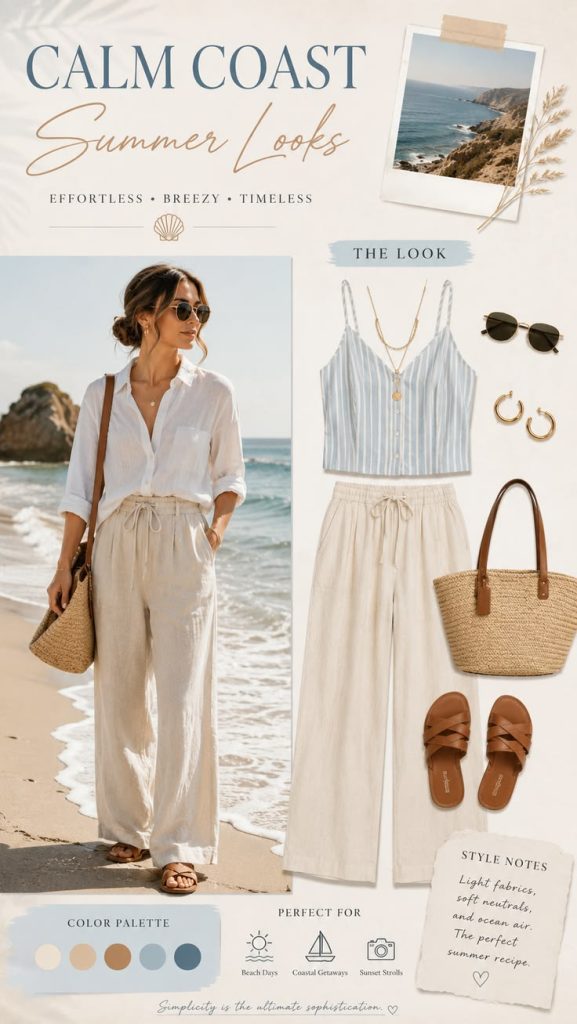
Oversized Linen Shirts
Double as casual outerwear.
Kaftans
Offer elegance and comfort.
Shirt Dresses
Transition easily from beach to city.
Lightweight Robes
Provide flexibility and style.
Multi-functional garments maximize wardrobe efficiency.
Trend #6: Sustainable Fashion Choices
Environmental awareness is reshaping the fashion industry.
Consumers increasingly prioritize sustainability.
Key Sustainability Trends
Recycled Materials
Reduce waste.
Ethical Manufacturing
Support responsible production.
Durable Construction
Extend product lifespan.
Timeless Design
Reduce trend-driven consumption.
Sustainable beach and home wear continues to grow in popularity.
Trend #7: Minimalist Color Palettes
Color choices influence both style and versatility.
Neutral palettes dominate contemporary collections.
Popular Shades
White
Clean and timeless.
Beige
Warm and versatile.
Sand
Inspired by natural environments.
Soft Gray
Modern and sophisticated.
Olive Green
Earthy and calming.
Neutral colors simplify outfit coordination.
Trend #8: Comfortable Footwear for Every Setting
Footwear plays a crucial role in beach and home wear.
Consumers increasingly seek options that support both comfort and style.
Popular Choices
Cushioned Slides
Easy and versatile.
Recovery Sandals
Promote foot comfort.
Minimalist Slippers
Support indoor living.
Waterproof Sandals
Ideal for outdoor environments.
Comfort-focused footwear aligns perfectly with modern lifestyles.
Trend #9: Resort-Inspired Everyday Fashion
Vacation aesthetics increasingly influence everyday wardrobes.
Consumers want clothing that evokes relaxation year-round.
Characteristics
Lightweight Fabrics
Enhance comfort.
Relaxed Fits
Support effortless wear.
Coastal-Inspired Colors
Create calming visuals.
Functional Details
Improve practicality.
Resort-inspired fashion extends beyond travel destinations.
Trend #10: Gender-Neutral Designs
Fashion is becoming increasingly inclusive and versatile.
Many beach and home wear collections now embrace gender-neutral styling.
Benefits
Broader Appeal
Accommodate diverse preferences.
Simplified Wardrobes
Increase versatility.
Contemporary Aesthetics
Reflect modern values.
Greater Comfort
Prioritize functionality.
This trend continues to influence product development.
Trend #11: Technical Fabrics for Everyday Comfort
Performance-inspired textiles are no longer limited to athletic wear.
Many casual garments now incorporate advanced fabric technologies.
Features
Moisture-Wicking Properties
Improve comfort.
Quick-Drying Performance
Enhance practicality.
Wrinkle Resistance
Simplify maintenance.
Stretch Construction
Support movement.
Technical innovation improves everyday usability.
Trend #12: Indoor-Outdoor Versatility
One of the most significant trends is clothing designed for multiple environments.
Consumers increasingly prefer pieces that transition seamlessly between settings.
Advantages
Reduced Wardrobe Complexity
Simplify clothing choices.
Improved Value
Increase product utility.
Greater Convenience
Support dynamic lifestyles.
Sustainable Consumption
Encourage mindful purchasing.
Versatility has become a major selling point.
The Influence of Wellness Culture
Wellness has become deeply intertwined with fashion.
Consumers seek products that support physical and emotional comfort.
Wellness Priorities
Soft Materials
Enhance tactile comfort.
Breathability
Improve wearability.
Relaxed Construction
Promote ease of movement.
Sustainable Choices
Support mindful living.
These factors continue to shape consumer behavior.
The Psychology of Comfortable Clothing
What people wear influences how they feel.
Comfortable clothing contributes to overall well-being.
Psychological Benefits
Reduced Stress
Create relaxation.
Increased Confidence
Support self-expression.
Improved Mood
Enhance daily experiences.
Greater Comfort
Promote emotional well-being.
Fashion increasingly serves functional and psychological needs.
How Technology Is Shaping Beach & Home Wear
Innovation continues to influence fashion development.
Emerging Technologies
Sustainable Fabric Production
Reduce environmental impact.
Advanced Textile Engineering
Enhance comfort.
Moisture-Control Systems
Improve performance.
Smart Manufacturing
Increase efficiency.
Technology supports both functionality and sustainability.
Building a Practical Beach & Home Wear Wardrobe
A well-designed wardrobe focuses on versatility and longevity.
Essential Pieces
Linen Shirts
Support multiple styling options.
Relaxed Shorts
Provide everyday comfort.
Lightweight Dresses
Offer versatility.
Comfortable Sandals
Enhance mobility.
Neutral Loungewear Sets
Create effortless coordination.
Multi-Purpose Cover-Ups
Increase wardrobe flexibility.
These items form the foundation of a practical collection.
Future Trends in Beach & Home Wear
Several developments are expected to shape the future of the category.
Growing Preferences
Sustainable Fashion
Supporting responsible consumption.
Wellness-Oriented Design
Prioritizing comfort and health.
Multi-Functional Clothing
Enhancing versatility.
Smart Textiles
Improving performance.
Minimalist Wardrobes
Reducing excess consumption.
These trends reflect broader changes in consumer values.
Why Style and Practicality Are No Longer Opposites
For many years, fashion often prioritized appearance at the expense of comfort.
Today, consumers expect both.
Modern beach and home wear demonstrates that style and practicality can coexist successfully.
Contemporary Priorities
- Comfort without sacrificing aesthetics
- Versatility without compromising quality
- Sustainability without reducing performance
- Simplicity without losing sophistication
These principles define the future of casual fashion.
The Economic Value of Versatile Clothing
Consumers increasingly focus on maximizing the value of their purchases.
Multi-purpose garments provide greater return on investment.
Benefits
Fewer Purchases
Reduce overall spending.
Increased Usage
Maximize wear frequency.
Better Cost Efficiency
Improve wardrobe value.
Reduced Environmental Impact
Support sustainability.
Versatility benefits both consumers and the environment.
Conclusion
The modern Beach & Home Wear category represents far more than casual clothing—it reflects a lifestyle centered on comfort, flexibility, wellness, and intentional living. As consumers continue to seek garments that support both relaxation and everyday functionality, fashion brands are responding with collections that blend practicality and style in increasingly innovative ways.
From elevated loungewear and coordinated sets to sustainable fabrics, versatile cover-ups, ergonomic footwear, and resort-inspired aesthetics, today’s trends demonstrate how contemporary fashion is evolving to meet the demands of modern life. Comfort is no longer viewed as a compromise, and practicality no longer requires sacrificing personal style.
As wellness-focused living, sustainability, and versatile design continue to influence purchasing decisions, beach and home wear will remain one of the most dynamic and relevant segments of the fashion industry. By embracing these trends, consumers can build wardrobes that not only look good but also support a more comfortable, balanced, and effortless way of living every day.
